Apple tree grafting is one of the most effective ways to grow healthy, productive apple trees with guaranteed fruit quality. Instead of growing apples from seeds—which can take many years and produce unpredictable results—grafting allows gardeners to combine the best qualities of two trees into one.
Whether you are a home gardener or a small orchard owner, understanding apple tree grafting can help you grow stronger trees and enjoy better harvests.
Table of Contents
What Is Apple Tree Grafting?
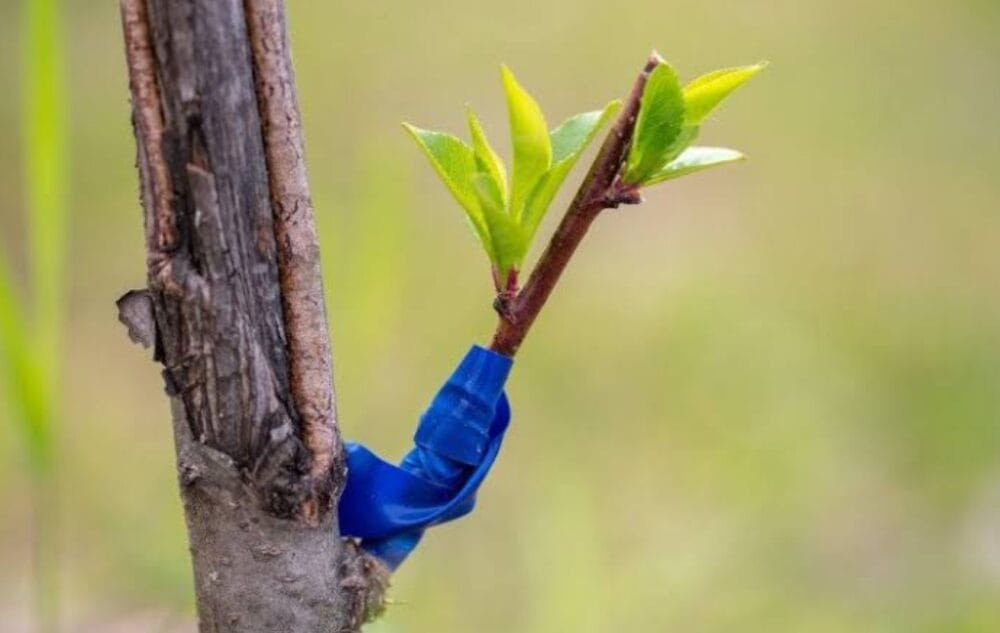
Grafting is a plant propagation technique where a piece of one apple tree (called the scion) is joined to another apple tree (called the rootstock). The scion determines the fruit variety, while the rootstock controls tree size, disease resistance, and adaptability to soil conditions. Once properly joined, the two parts grow as a single plant.
Apple trees are especially well-suited for grafting because they heal quickly and respond well to different grafting techniques.

Benefits of Grafting Apple Trees
Apple tree grafting offers many advantages:
- Ensures true-to-type fruit quality
- Speeds up fruit production compared to seed-grown trees
- Improves disease and pest resistance
- Controls tree size (dwarf, semi-dwarf, or standard)
- Allows multiple apple varieties on one tree
Because of these benefits, grafting is widely used in nurseries and orchards.
Best Time for Apple Tree Grafting
The ideal time for apple tree grafting is late winter to early spring, just before new growth begins. During this period, the tree is dormant, which helps reduce stress and increases the success rate of graft union. In regions with mild winters, grafting can also be done slightly earlier.
Also Read: How to Do Mango Tree Grafting: A Step-by-Step Guide for Healthy, High-Yield Trees
Tools and Materials Needed
Before starting, gather the following tools:
- Sharp grafting knife or pruning knife
- Clean pruning shears
- Grafting tape or plastic strip
- Grafting wax or tree sealant
- Healthy rootstock and scion wood
Make sure all tools are clean and sharp to prevent disease and ensure smooth cuts.
Common Apple Tree Grafting Methods
There are several grafting techniques used for apple trees. The choice depends on the thickness of the rootstock and scion.
1. Whip and Tongue Grafting
This is one of the most popular methods for apple trees.
- Used when rootstock and scion are of equal thickness
- Both pieces are cut diagonally
- A small “tongue” cut is made to interlock them
- The parts are joined tightly and wrapped
This method provides strong contact and high success rates.
2. Cleft Grafting
Cleft grafting is ideal for older or thicker rootstocks.
- The rootstock is split down the center
- The scion is cut into a wedge shape
- One or two scions are inserted into the split
- The area is sealed and wrapped
This method is often used to change varieties on mature apple trees.
Also Read: Litchi Cultivation: Complete Guide for Successful Farming
3. Bud Grafting (T-Budding)
Bud grafting uses a single bud instead of a twig.
- Best done in late summer
- A T-shaped cut is made on the rootstock
- A healthy bud is inserted under the bark
- The graft is wrapped but the bud is left exposed
This method is efficient and commonly used in commercial nurseries.
Step-by-Step Apple Tree Grafting Process
- Select a healthy rootstock suitable for your soil and climate
- Choose scion wood from a disease-free apple tree
- Make clean, matching cuts on both parts
- Join the scion and rootstock so the cambium layers align
- Wrap the graft union tightly with grafting tape
- Seal exposed areas with grafting wax
- Keep the grafted tree protected from wind and direct sunlight
Within a few weeks, successful grafts will begin to show new growth.
Aftercare and Maintenance
Proper aftercare is essential for graft success:
- Keep the graft area moist but not waterlogged
- Remove shoots growing below the graft
- Protect the graft from pests and birds
- Loosen or remove grafting tape after healing
Most apple grafts fully unite within 6–8 weeks.
Common Mistakes to Avoid
- Using dull or dirty tools
- Misaligning the cambium layers
- Grafting during extreme temperatures
- Allowing the graft union to dry out
Avoiding these mistakes greatly improves success rates.
Frequently Asked Questions (FAQ)
Q1. Can apple trees be grown from seeds instead of grafting?
Yes, but seed-grown apple trees take longer to fruit and may not produce the same quality apples as the parent tree.
Q2. How long does a grafted apple tree take to bear fruit?
Most grafted apple trees begin producing fruit within 2–4 years, depending on the rootstock.
Q3. Can I graft different apple varieties on one tree?
Yes, multiple apple varieties can be grafted onto a single tree, allowing extended harvest seasons.
Q4. What is the best rootstock for apple trees?
Dwarf and semi-dwarf rootstocks are popular for home gardens, while standard rootstocks are used for large orchards.
Q5. Is apple tree grafting suitable for beginners?
Yes, with basic tools and practice, beginners can successfully graft apple trees using simple methods like whip grafting.
Also Read: Grafting